The spatulate hand is so called not only because the tip of each finger resembles the spatula that chemists use in mortars, but also because the palm, instead of having the squareness of the preceding type, is either unusually broad at the wrist or at the base of the fingers (Plate III.).
When the greater breadth of formation is at the wrist, the palm of the hand becomes pointed toward the fingers; when, on the contrary, the greatest breadth is found at the base of the fingers, the shape of the hand slopes back toward the wrist. We will discuss these two points a little later, but we must first consider the significance of the spatulate hand itself.
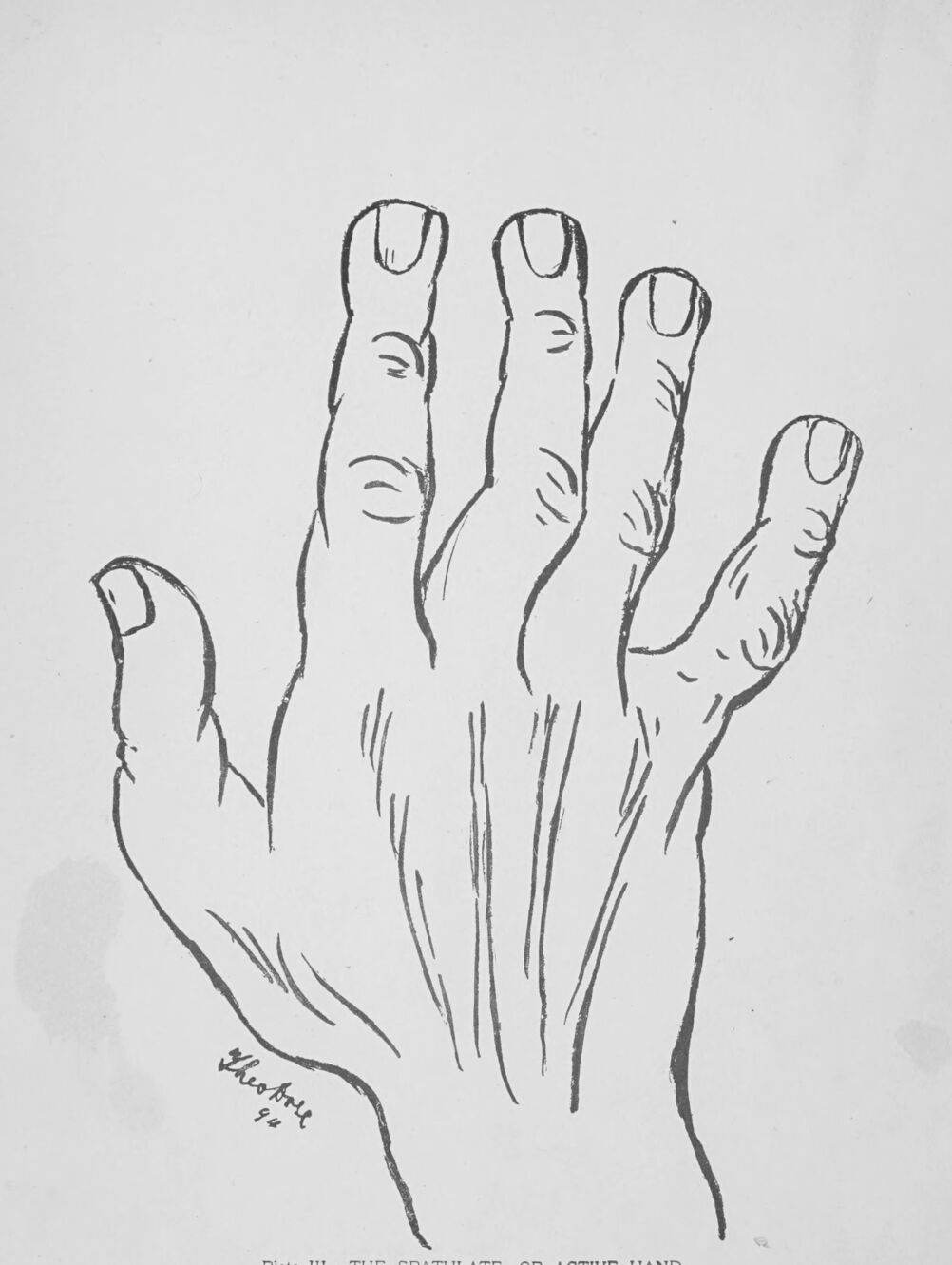
Plate III.—THE SPATULATE, OR ACTIVE HAND.
In the first place, the spatulate hand, when hard and firm, indicates a nature restless and excitable, but full of energy of purpose and enthusiasm. When soft and flabby, which is often the case, it denotes the restless but irritable spirit. Such a person works in fits and starts, but cannot stick to anything long. Now, in the first place, the peculiar attribute that the spatulate hand has is its intense love of action, energy, and independence. It belongs to the great navigators, explorers, discoverers, and also the great engineers and mechanics, but it is by no means confined to such people, and may be found in almost every walk of life. As a rule, it is a large hand, with fairly long, well-developed fingers. The most striking characteristic of all is the singular independence of spirit that characterizes individuals possessing such a development. It is doubtless this spirit that makes them explorers and discoverers, and causes them also to depart from the known rules of engineering and mechanics to seek the unknown, and thus become famous for their invention. No matter in what grade or position in life these spatulate hands find themselves, they always in some form strike out for themselves, and assert their right to possess a marked individuality p. 33 of their own. A singer, actress, doctor, or preacher with such a development will break all rules of precedent—not by any means for the sake of eccentricity, but simply because they have an original way of looking at things, and their sense of independence inclines them to resent suiting their brain to other people’s ideas. It is from this hand that we get not only our great discoverers and engineers, but also the whole army of men and women we are pleased to call cranks, simply because they will not follow the rut made by the centuries of sheep that have gone before them. Such men and women with the spatulate hands are the advance agents of thought. They are, it is true, very often before their time; they are often wrong in the way they set about their work; but they are, as a rule, the heralds of some new thought or life that will, years later, give life to their fellow-men.
This brings us down to the two divisions I have just mentioned. We will now consider their meaning.
The spatulate hand with the broad development at the base of the fingers is the more practical of the two. If he be an inventor, he will use his talents for making locomotives, ships, railways, and all the more useful things of life, for the simple reason that he comes nearer the formation of the square type. But if he has the greater angular development at the wrist, his bent will be for action in the domain of ideas. He will invent flying-machines if he has the inventive talent, hunt for new flowers if he be a botanist, be the demigod of some new gospel if he be a priest. These people wonder that God took six days to make the earth—with the little power that they possess they would revolutionize the world in a day. But they all have their purpose in the evolution of life; they are necessary, therefore they are created.